
Blog
-

Avoid These 10 Mistakes: Supporting Co-Survivors In Medical Emergencies
Discover the 10 mistakes healthcare professionals make with co-survivors in medical emergencies and learn how to provide better support.
-

How To Be A Compassionate Clinician In One Easy Step
When we were in our late 20s, my husband, Will, got cancer. When he was 30, he got cancer again, unrelated to the first time. When he was 34, he died in his sleep, but I wouldn’t let him go.
-
10 Tips For Supporting Co-Survivors
Understanding co-survivors’ needs is crucial for mitigating lasting trauma. We’ve compiled some quick and easy tips to help support co-survivors. Best of all, each of these tips takes less than a minute. So pick one – or more if you want bonus points – and run with it! 🙌
-
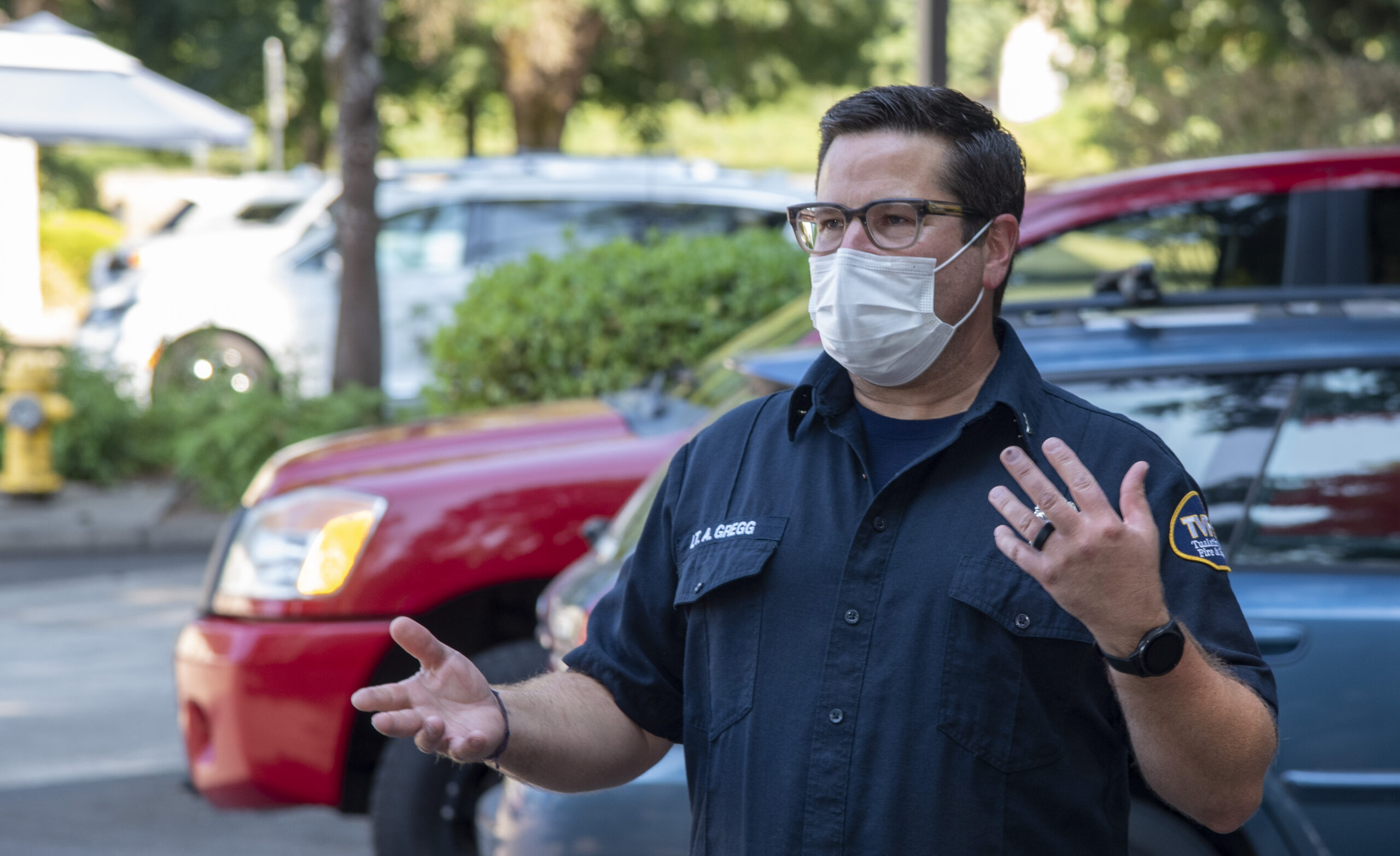
The Meaningful Thing that One Paramedic Did During My Husband’s Medical Emergency
This is Lieutenant Gregg. He is one of the first responders who helped us when my husband’s heart stopped beating in his sleep three years ago. On his way up the stairs to our bedroom, Lt. Gregg stopped briefly in
-

Lockdown, Love, and Life-Saving CPR: A Mother’s Day to Remember
I will never forget May 11, 2020; my husband will never remember. It was an out-of-body experience. Part of my brain was solely focused on what I needed to do. The other part was watching us from a third-person perspective
-

Roger
None of this was supposed to happen. We had vowed “in sickness and health,” but no one thinks they will have to cash in on that promise for decades. We assumed we would deal with that part when our hair
-
The Night Telecommunicator-CPR Saved My Husband’s Life
On May 11, 2020, I woke up in the middle of the night to my 34-year-old husband dying in our bed. Of course, I didn’t know he was dying. There was no reason to assume that his perfectly healthy heart
-

Words to Leave By: Bridges Out of the Quiet Place
“I remember many things from my husband’s sudden cardiac arrest at 34 years old – the guttural, panicked sounds of his agonal breathing in our darkened bedroom; the timbre of his voice as a pocket of air passed through his
-

The Quiet Place
“One dark morning last May, I wrecked my body giving 10 minutes of CPR. My 34-year-old husband, Will, had been lying peacefully next to me, both of us fast asleep. I woke up suddenly to a loud noise I will