
Co-Survivorship
Categories
- Co-Survivorship
- Healthcare
- Mental Health
- Podcast
- Social Media
- Sudden Cardiac Arrest
- Testicular Cancer
-
Avoid These 10 Mistakes: Supporting Co-Survivors In Medical Emergencies
Discover the 10 mistakes healthcare professionals make with co-survivors in medical emergencies and learn how to provide better support.
-
The Unspoken Trauma Of Adverse Patient Events
Healthcare professionals often suffer in silence after a serious adverse patient event, but understanding the concept of the Second Victim is the first step toward healing. 💔
-
How To Be A Compassionate Clinician In One Easy Step
When we were in our late 20s, my husband, Will, got cancer. When he was 30, he got cancer again, unrelated to the first time. When he was 34, he died in his sleep, but I wouldn’t let him go.
-
10 Tips For Supporting Co-Survivors
Understanding co-survivors’ needs is crucial for mitigating lasting trauma. We’ve compiled some quick and easy tips to help support co-survivors. Best of all, each of these tips takes less than a minute. So pick one – or more if you want bonus points – and run with it! 🙌
-
Caring for Family Caregivers: 4 Ways To Be Their Lifeline
If you know someone in the family caregiver role, we’ve got a guide that will show you how to be there for them in ways that truly matter.
-
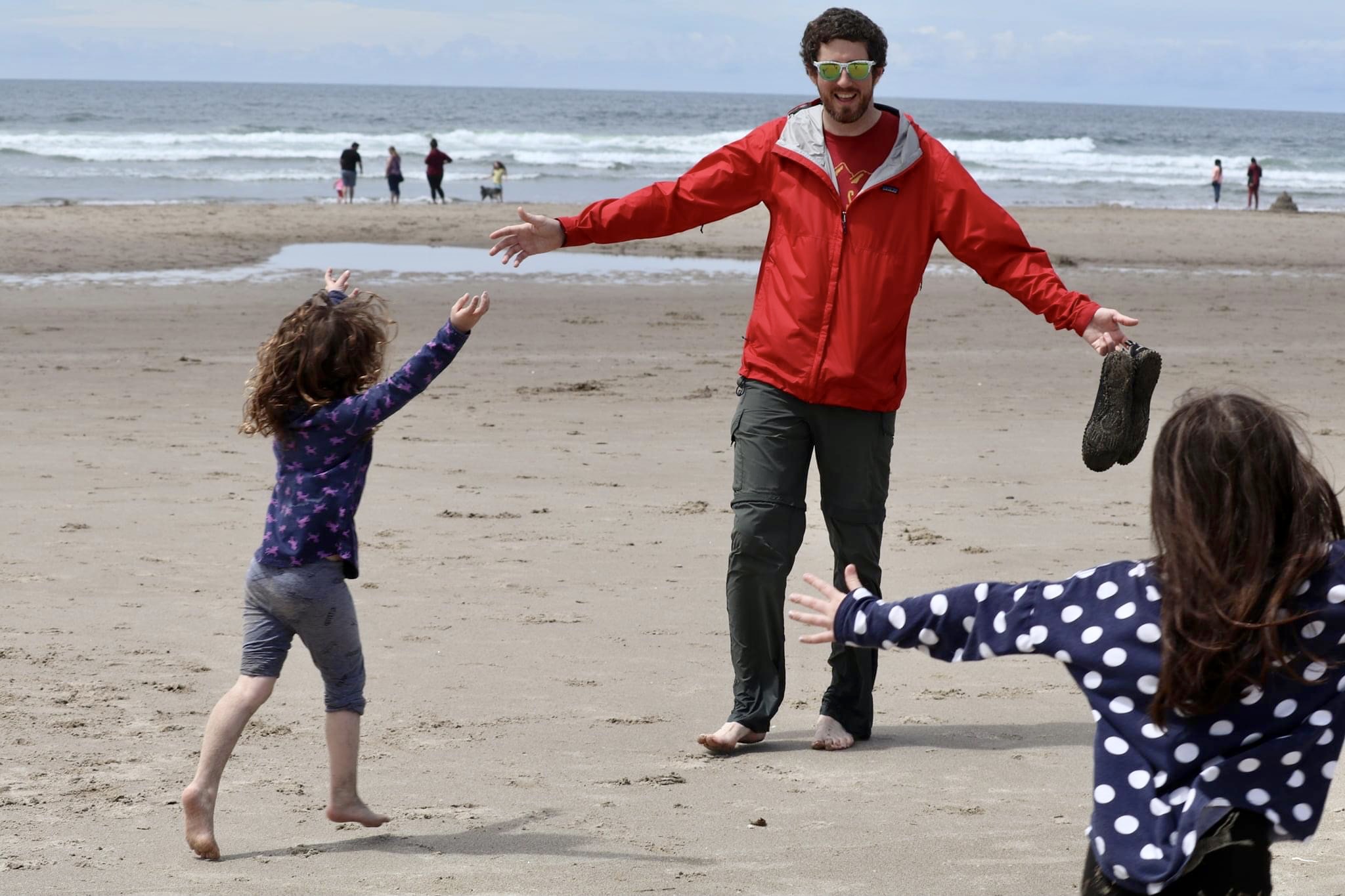
The Gift of Honesty: How Truth Transformed a Child’s Perspective on Dad’s Survival
Hi. I’m a kid. FYI, I’m also funny. That probably isn’t the introduction you’re used to, but it turns out it’s important. Because, as you may have experienced, newfangled kids like me think a bit differently than you adults. But
-
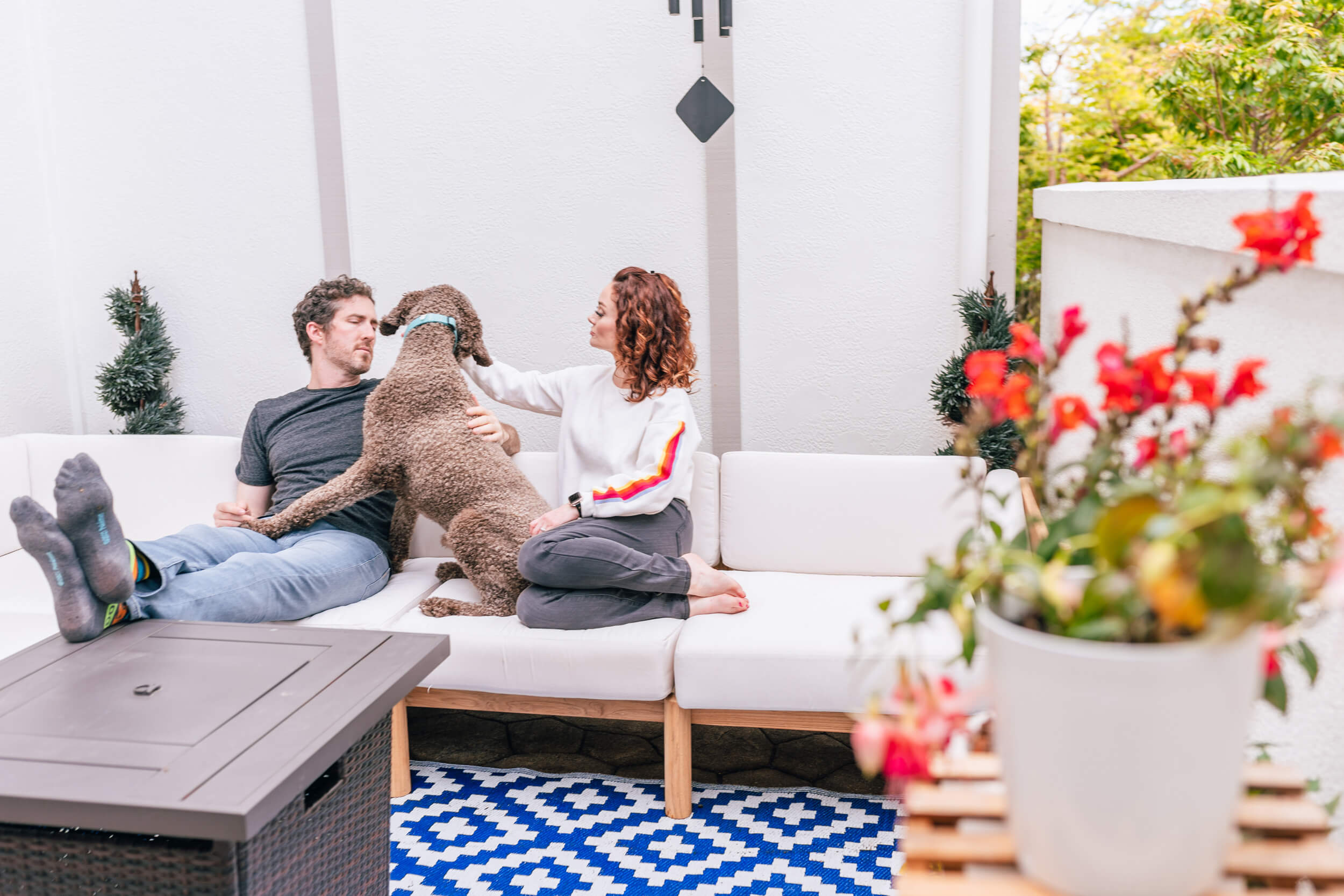
Words to Leave By: Bridges Out of the Quiet Place
“I remember many things from my husband’s sudden cardiac arrest at 34 years old – the guttural, panicked sounds of his agonal breathing in our darkened bedroom; the timbre of his voice as a pocket of air passed through his
-
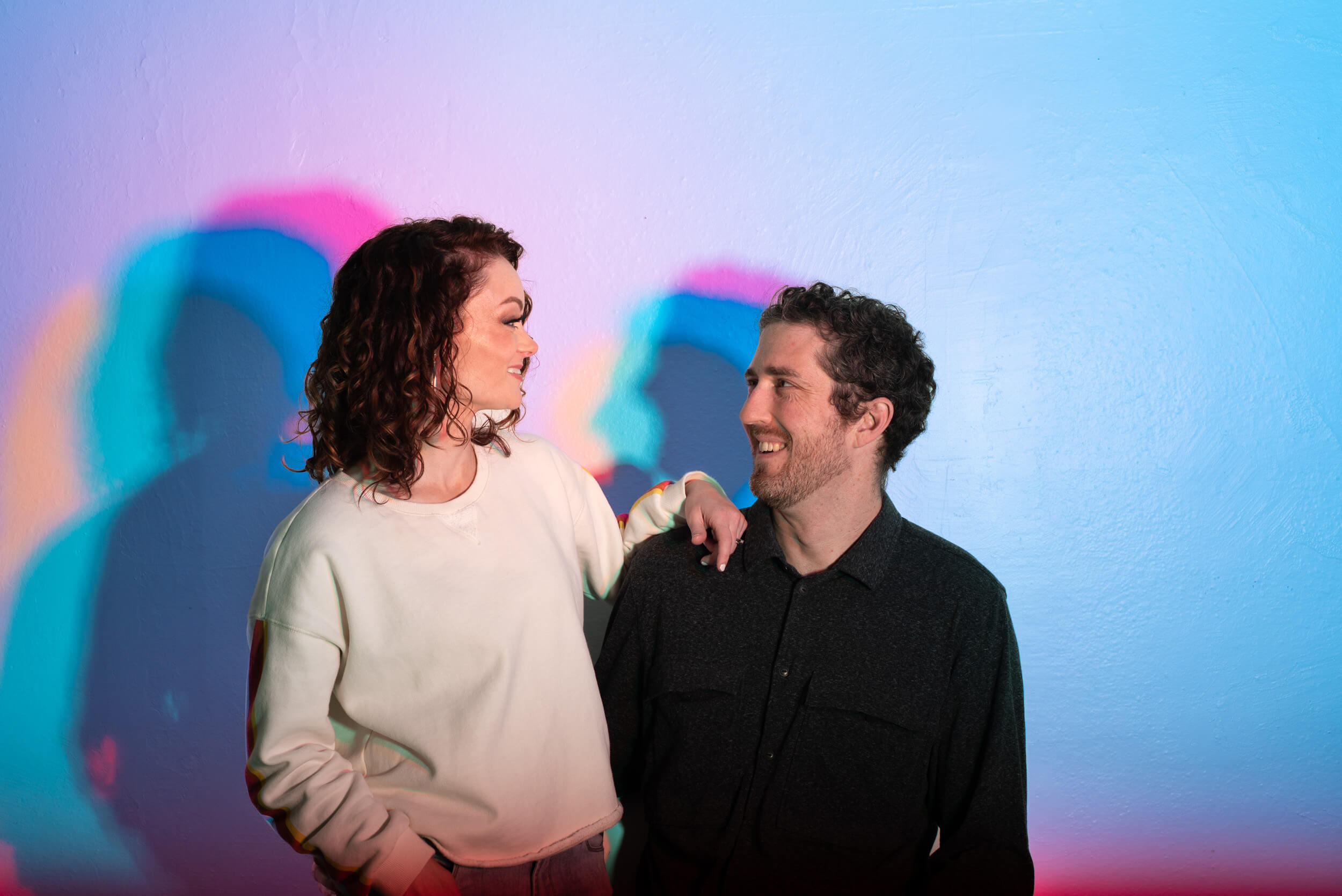
The Quiet Place
“One dark morning last May, I wrecked my body giving 10 minutes of CPR. My 34-year-old husband, Will, had been lying peacefully next to me, both of us fast asleep. I woke up suddenly to a loud noise I will